
Review · NORWAY
Skjervøy: Whale Watching with RIB Boat and Local Guide
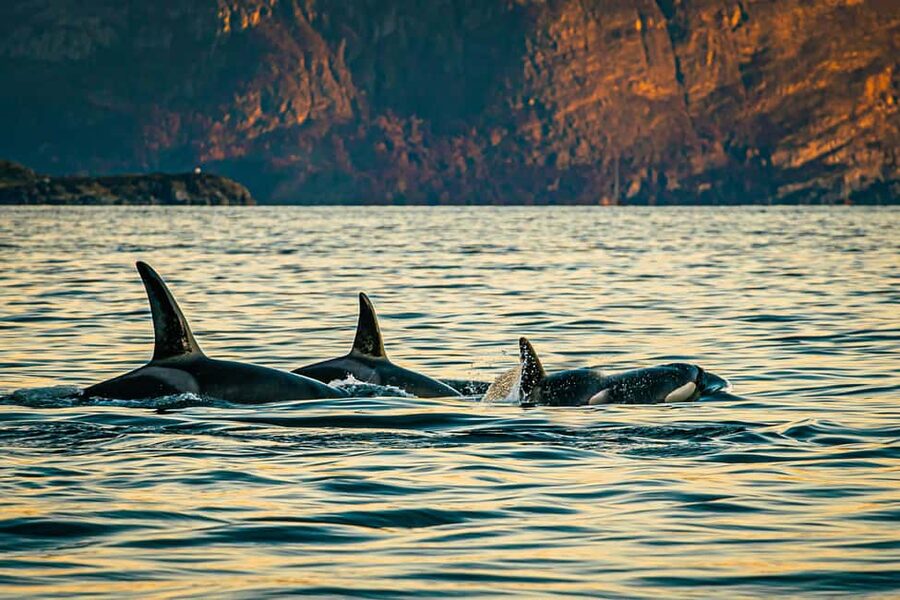
Seeing a pod of orcas work together to catch herring is the kind of Arctic moment you remember long after the boat ride. This three-hour trip from Skjervøy puts you on a fast RIB boat with a local guide, often Victor, in the waters where killer whales and humpback whales gather from mid-October through February.
I like the small, open-boat setting, which puts you close to the sea and gives everyone a clear view. I also like the practical care: warm suits, boots, hats, goggles, and life jackets are provided, and the crew has sometimes added hot chocolate and cookies after the trip.
The trade-off is simple: a RIB is exciting, but it can be rough, wet, and cold. Even with the supplied gear, bring warm gloves and something to cover your neck. A heated cabin boat may suit you better if comfort matters more than speed and open-air views.
Key points before you book
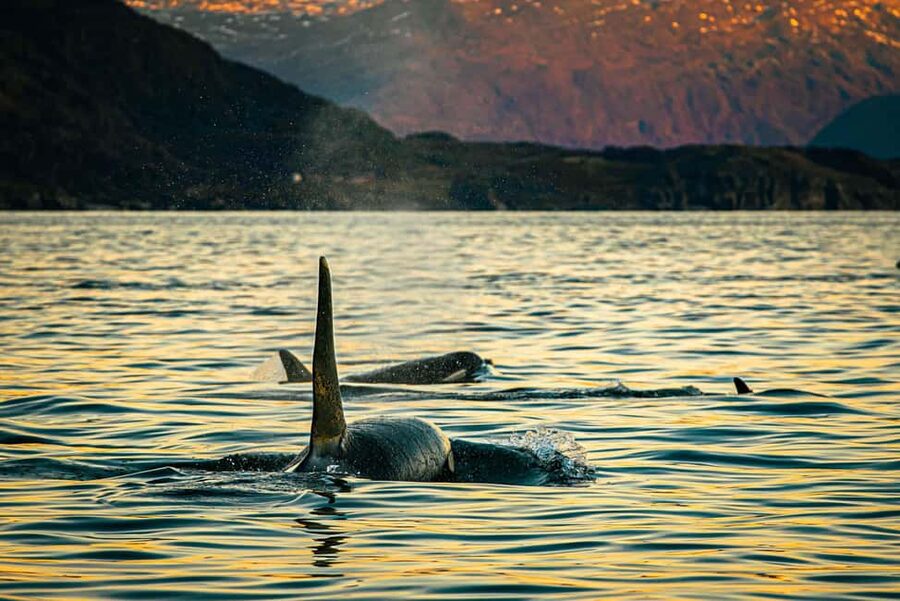
- Orca encounters are the main prize: You may see pods feeding together, sometimes with humpback or fin whales nearby.
- The season runs from mid-October to February: Whale numbers and exact sightings depend on where the herring gathers.
- You ride in a RIB with up to 12 passengers plus the guide: Seating is generally comfortable, but the boat remains exposed to wind and spray.
- Victor is a frequently praised guide: He is described as calm, welcoming, skilled at finding whales, and careful around wildlife.
- The meeting point is easy to miss: Find the back of the old white harbor building below the Ekstra grocery store.
- Tromsø requires separate transport: Arctic Route runs daily bus services between Tromsø and Skjervøy, but the bus ticket is not part of this activity.
Why Skjervøy is the right place for an orca safari
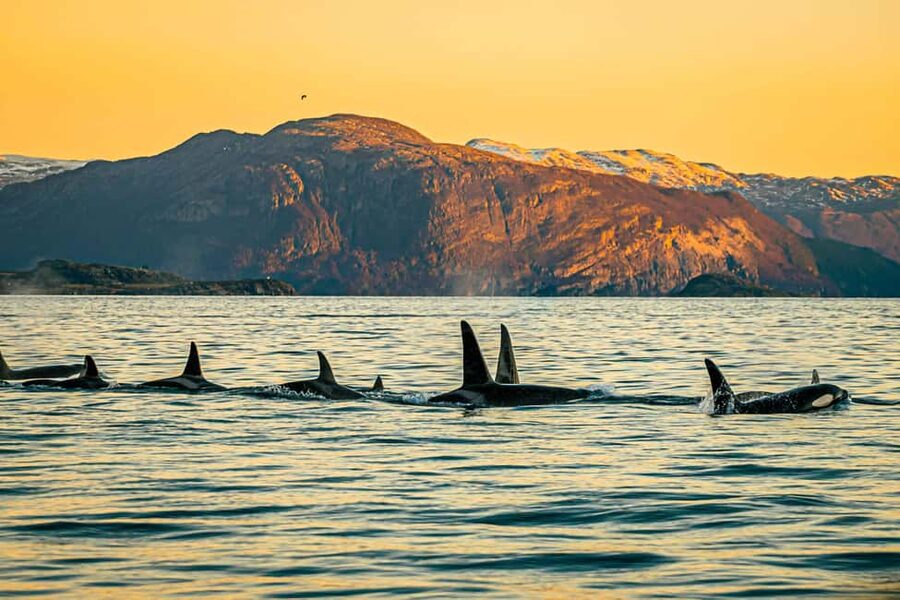
The whale watching takes place outside Skjervøy, a small northern Norwegian harbor surrounded by steep, snow-covered mountains and cold sea. The setting is part of the experience. You are not simply looking for a fin against an empty horizon. You are moving through a dramatic Arctic fjord system with mountain walls, winter light, and open water all around you.
The reason this area attracts whales is the seasonal herring migration. The fish can move from year to year, which means the boat crew may need to search rather than head straight to a fixed viewing spot. That uncertainty is normal in wildlife watching, and it explains why one day can bring a huge pod of orcas while another produces fewer sightings.
The best period is from the middle of October through February. October can bring clearer weather, autumn color, and early snow, while the winter months offer a stronger Arctic feel and shorter daylight. The whale season is not a guarantee of a particular species, but the chance of seeing orcas and humpbacks is the reason this trip is scheduled during these months.
More RIB and Zodiac Boat Tours in Norway
- From Stavanger: RIB Tour to Lysefjord
★ 4.9 · 1,288 reviews - From Stavanger: Lysefjorden & Pulpit Rock RIB Boat Tour
★ 4.8 · 1,156 reviews - From Svolvær: Lofoten RIB Sea Eagle Safari Trollfjord Cruise
★ 4.9 · 908 reviews
Finding the harbor meeting point
Your starting point is Strandveien 96 in Skjervøy. Look for the backside of the old white building in the harbor, on the lower side of the Ekstra grocery store. The listed coordinates are 70.02948760986328, 20.968090057373047.
This is worth checking before you arrive. Skjervøy is compact, but a harbor meeting point can be confusing when several boats and operators are preparing at once. Give yourself enough time to identify the building and find the correct guide rather than arriving at the last minute.
Once you meet the crew, you are taken to a changing area and fitted with the supplied equipment. The gear includes an insulated outer suit, life jacket, hat, thermal boots, and goggles. The goggles are especially useful because the RIB can throw spray over the bow and sides when the sea is lively.
The supplied equipment makes the activity possible for visitors who did not pack a full Arctic boating wardrobe. Still, do not treat the suit as a substitute for warm personal clothing. Wear insulating layers underneath, and bring gloves that work in cold conditions. One person specifically found the provided gloves and neck protection insufficient, so this is one area where your own kit can make the final part of the ride much more pleasant.
Three hours on a fast RIB boat
The boat ride begins from Skjervøy harbor and heads into the whale area. A RIB gives you a more active ride than a large cruiser. You sit close to the water, feel the boat rise over waves, and get a wide view in every direction.
That freedom comes with motion. The ride has been described as rough but fun, and the boat may rock and spray in windy conditions. If you are prone to motion sickness or simply dislike a lively sea, consider that carefully. The activity is not a gentle sightseeing cruise.
The usual capacity is around 12 passengers plus the guide. That is small enough for an intimate boat feel, but it is not a private tour. The open layout means everyone can watch from the boat, though you may need to turn quickly when a whale surfaces behind you.
The guide’s job involves more than steering. He watches the water, tracks whale movement, and decides when to slow down or stop. Reviews of Victor describe him as especially effective at finding animals, including on days with poor weather. He has also been praised for stopping at a respectful distance and allowing curious orcas to approach on their own terms.
Watching orcas feed and communicate
Killer whales are the signature sighting here. You will recognize them by their black bodies, white patches, and tall dorsal fins. Their behavior is often more interesting than a simple surface appearance. Orcas may travel in family groups, gather around herring, or work together to concentrate fish.
Several accounts describe feeding activity, with pods coordinating as a team. That kind of sighting can keep the boat in one area for a while because the action develops over time. You might see repeated surfacing, quick changes of direction, or a group moving together across the water.
The guide also explains how orcas communicate. Their whistles and pulse sounds can be audible to people under the right conditions, giving you a sense that the pod is not simply moving at random. You may also learn to recognize individual animals. Victor has even been able to identify some orcas by name, a detail that adds a personal connection to the encounter.
The boat does not chase the whales. Good wildlife watching depends on patience and distance. If the pod approaches the RIB, that can create a close sighting without the boat pressing into the animals’ path. This approach matters both for the whales and for the quality of the experience. A calm pod moving naturally is more rewarding than a frantic boat chase.
Same coastline, a different hull:
- RIB Geiranger – Fjordsafari
★ 4.8 · 807 reviews - From Svolvær: RIB Boat Lofoten Trollfjord Sea Eagle Safari
★ 4.9 · 754 reviews - Lysefjord RIB Safari from Stavanger
★ 5.0 · 665 reviews - Geiranger: RIB Fjordsafari Geirangefjord
★ 4.5 · 651 reviews
Humpback whales, fin whales, and mixed sightings
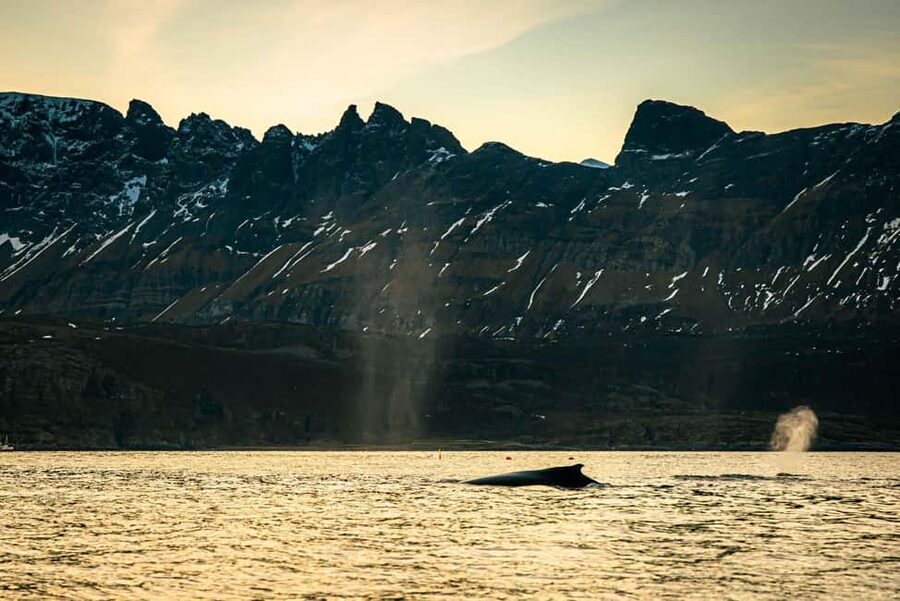
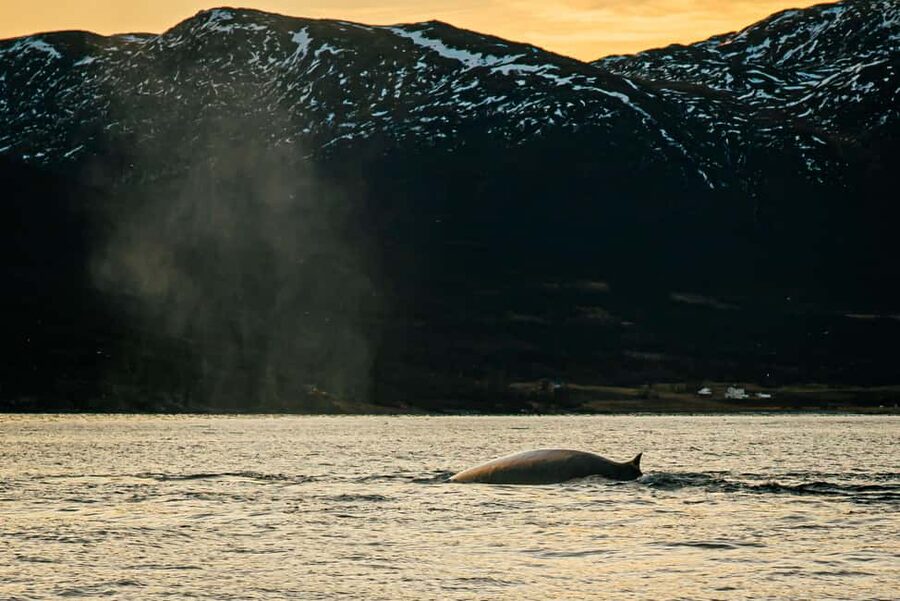
Humpback whales offer a different kind of spectacle. They are often seen alone or in small groups, and their movements can be slower and more dramatic than the quick, coordinated travel of orcas.
You might see a broad back roll through the water, a powerful breach, or a tail lifting clear of the surface. Each humpback has a distinctive tail pattern, so the guide may point out how researchers use tail markings to tell individuals apart.
Some trips have also produced fin whale sightings. Seeing fin whales, humpbacks, and orcas in one day is possible, though it should be treated as a fortunate combination rather than an expected result. Wildlife does not follow a timetable, and the guide cannot promise a particular species.
Humpback songs are another part of the natural story. You may hear about their distinctive vocalizations, although the main focus from a moving RIB is usually visual. Keep your camera ready, but do not spend the whole trip looking at a screen. A whale can surface, breathe, and disappear before you have framed the shot.
The guide makes a real difference
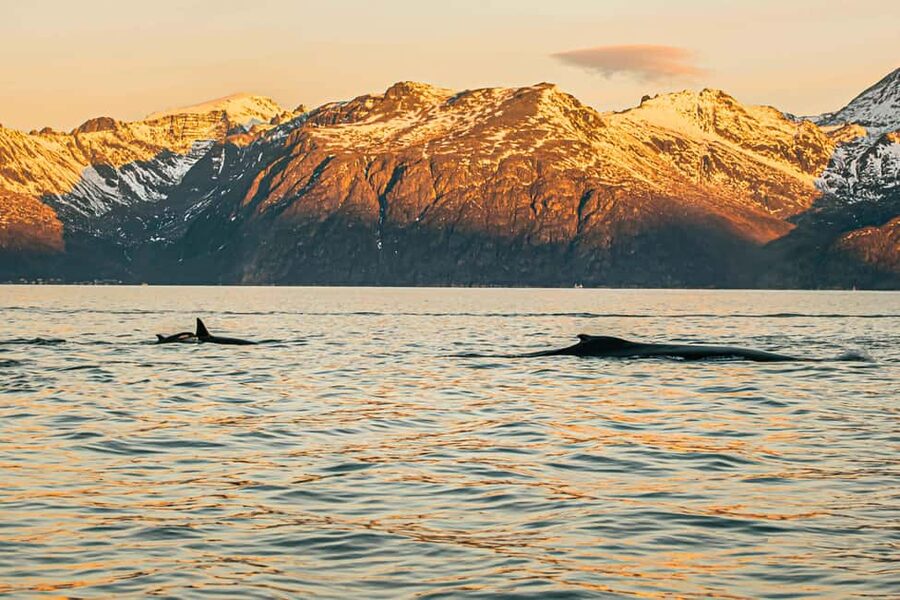
A good boat driver is crucial on a whale safari, and this is one of the strongest parts of the experience. Victor is repeatedly described as friendly, calm, and attentive. He helps with the clothing, explains what you are seeing, and keeps looking when the first search does not produce an immediate sighting.
That last point matters. In poor weather, it can be hard to spot a whale even when one is nearby. One outing began in conditions that made the group doubtful about visibility, yet the guide located orcas and later humpbacks. On another, he extended the time slightly because the whales were putting on an unusual show.
The guiding style also seems flexible. You may be asked what else you hope to see, and the guide may try to adjust the outing when conditions allow. That does not mean every request can be fulfilled, but it suggests a personal approach rather than a rigid drive-by schedule.
There is one limitation to keep in mind. On a noisy RIB, it is difficult for the guide to give long explanations while underway. The open boat is excellent for views and excitement, but not ideal for extended lectures. If detailed interpretation is your main goal, a slower heated boat may be a better match.
Arctic gear, cold hands, and camera protection
The operator supplies the main safety and warmth equipment. You receive:
- Insulated outerwear
- Life jacket
- Hat
- Thermal boots
- Goggles
The goggles are not just a nice extra. They protect your eyes from spray and make it easier to look toward the bow when the boat is moving quickly. The boots and suit cover the areas most exposed to wind and water.
Your own clothing still matters. Wear warm layers, bring reliable gloves, and pack a neck warmer or scarf. One practical mistake can spoil the last 20 minutes of an otherwise superb trip, especially if the boat encounters strong wind or rough water.
Protect your camera and phone in a waterproof pouch or plastic bag. Spray can reach you even when the weather looks manageable from the harbor. A waterproof case also lets you keep your camera ready without worrying about every wave.
At the end, the crew may offer hot chocolate and cookies. This is a small touch, but it makes sense after three hours on cold water. The warm drink is less about luxury than recovery.
Getting to Skjervøy from Tromsø
This tour begins in Skjervøy, not Tromsø. If you are based in Tromsø, Arctic Route runs daily bus services between the two places, and you need to arrange that transport separately.
This creates a long day once travel time is added, so check the bus schedule carefully against the whale tour departure. The tour itself lasts three hours, but the total Tromsø outing includes the journey to Skjervøy and the return trip. A night in Skjervøy can make the plan less rushed, especially if you want room for weather changes or a second wildlife outing.
Starting in Skjervøy has a benefit: you are already near the whale area, so the RIB can focus its time on the sea rather than spending much of the trip traveling from Tromsø. If you are already touring northern Norway, this makes the activity a natural addition to a Skjervøy stay.
Value, group size, and cancellation terms
The price is not included in the information provided here, so I cannot judge the exact fare. I can judge what you receive for it: three hours on the water, a local English or Norwegian-speaking guide, a small RIB group, safety equipment, cold-weather clothing, and the chance to see several whale species in a setting that is difficult to reach independently.
That is good value if you want an active wildlife trip and are already in Skjervøy. The value is less clear if you must make a costly, complicated same-day journey from Tromsø and would be disappointed by a poor-weather sighting. Whale watching always carries that risk.
The stated cancellation policy allows a full refund when you cancel at least 24 hours in advance. You can also reserve and pay later, which helps if you are arranging several winter activities around changing weather.
Who should choose this whale-watching trip?
I would choose this RIB safari if you want close contact with the sea, a lively ride, and the best chance to watch whale behavior from an open boat. It suits couples, families with older children, photographers, and anyone who prefers a small local operation to a large cruise vessel.
It is especially good for people who enjoy the search itself. You may spend time moving between areas before the whales appear. That search becomes part of the adventure when the guide is actively reading the water and the reward is a pod feeding nearby.
I would think twice if you need a warm, quiet cabin, dislike rough water, or want long, uninterrupted commentary. In that case, a heated cabin cruiser may be more comfortable. The RIB is the choice for excitement and exposure, not softness.
Should you book it?
Yes, if your priority is a thrilling whale safari with a local guide who takes wildlife seriously. The strongest reasons are the excellent record of whale sightings, Victor’s calm and capable style, the well-planned cold-weather equipment, and the chance to see orcas feeding in their natural setting.
Book with realistic expectations. Sightings vary, the sea can be rough, and the ride from Tromsø takes planning. Bring your own warm gloves and neck covering, protect your camera, and leave enough time to find the harbor meeting point. If you can accept those small hardships, this is a strong choice for seeing northern Norway from the water.
FAQ
Where does the whale-watching tour start?
It starts at Strandveien 96 in Skjervøy. Meet at the backside of the old white building in the harbor, below the Ekstra grocery store. The coordinates are 70.02948760986328, 20.968090057373047.
How long does the activity last?
The RIB whale-watching experience lasts three hours, with departure and return at the Skjervøy harbor meeting point.
Which whales might I see?
The main species are killer whales and humpback whales. Fin whales have also been seen on some outings, but no particular species or sighting can be guaranteed.
What clothing and equipment are supplied?
The operator supplies warm outerwear, life jackets, hats, thermal boots, and goggles. You should still dress warmly and bring your own good gloves and neck covering.
Can I join from Tromsø?
You can travel from Tromsø to Skjervøy using the daily Arctic Route bus service, but transportation from Tromsø is not included in the whale-watching activity.
What language is the tour conducted in?
The live guide speaks English and Norwegian.
More Dolphin and Whale Watching by Speedboat in Norway
- Bleik: Whale Watching by Speedboat with Puffins and Muffins
★ 4.7 · 326 reviews - Whale Watching RIB Safari at Skjervøy
★ 4.8 · 136 reviews - Skjervøy: Whale and Orca Watching Tour by RIB Boat
★ 4.1 · 87 reviews - From Alta: Small Group Whale Watching by RIB
★ 4.9 · 28 reviews
Newly added boat runs around Norway
- Scenic Hardangerfjord & Fyksesund RIB adventure from Norheimsund★ 5.0 · 41 reviews
- Private Cruise: Mostraumen by Zodiac or Lux Pontoon Boat★ 5.0 · 163 reviews
- Small Group Whale Watching by RIB★ 5.0 · 12 reviews
- RIB Expedition to Seiland National Park – 3.5h★ 4.5 · 14 reviews
- Sortland: Trollfjord RIB Boat Tour★ 4.7 · 3 reviews
- Skjervøy: Whale and Orca Watching Tour by RIB Boat★ 4.1 · 87 reviews
- Olden: Nordfjord RIB Boat Tour★ 4.6 · 62 reviews
- Odda: RIB Boat Tour on the Hardangerfjord★ 4.2 · 12 reviews
Norway Speedboat Tours, side by side.
From Stavanger: Lysefjorden & Pulpit Rock RIB Boat Tour
Read our review →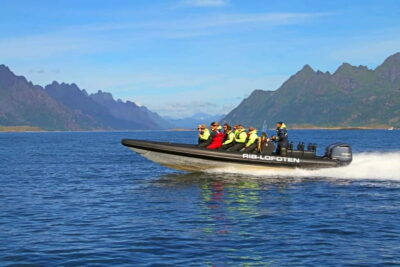
From Svolvær: Lofoten RIB Sea Eagle Safari Trollfjord Cruise
Read our review →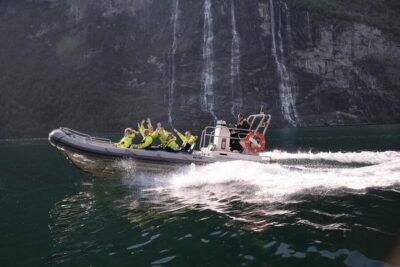
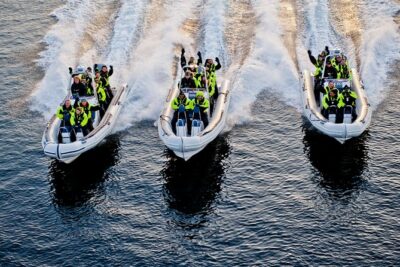
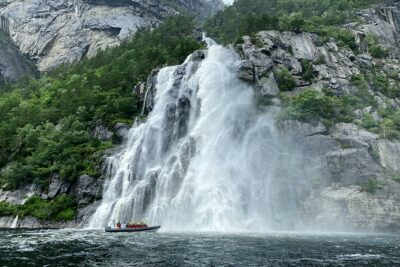
Lysefjorden & Pulpit Rock RIB-Safari from Stavanger
Read our review →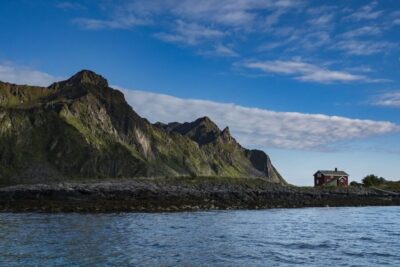
From Svolvaer: Trollfjorden Wildlife RIB Cruise
Read our review →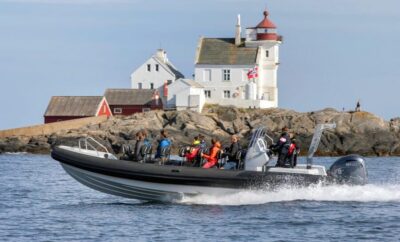
Kristiansand: Express Archipelago Tour by RIB Speedboat
Read our review →Other lists this boat trip sits in